













The Modest Fashion Market — Size, Buyers, And Why The Window Is Open Now
The global modest fashion market was valued at approximately $318 billion in 2024 and is projected to approach $500 billion by 2030 — a compounded growth rate in the region of 7–8% annually, roughly double the growth rate of mainstream womenswear over the same period. The demand base is the world’s 1.8 billion Muslim consumers, but the growth is no longer driven by that number alone. A meaningful and fast-growing share of modest fashion revenue now comes from non-Muslim buyers who have adopted looser, longer, more covered silhouettes for reasons that have nothing to do with religion: sun protection, comfort, corporate dress norms in the Gulf, and the general mainstreaming of oversized and fluid cuts.
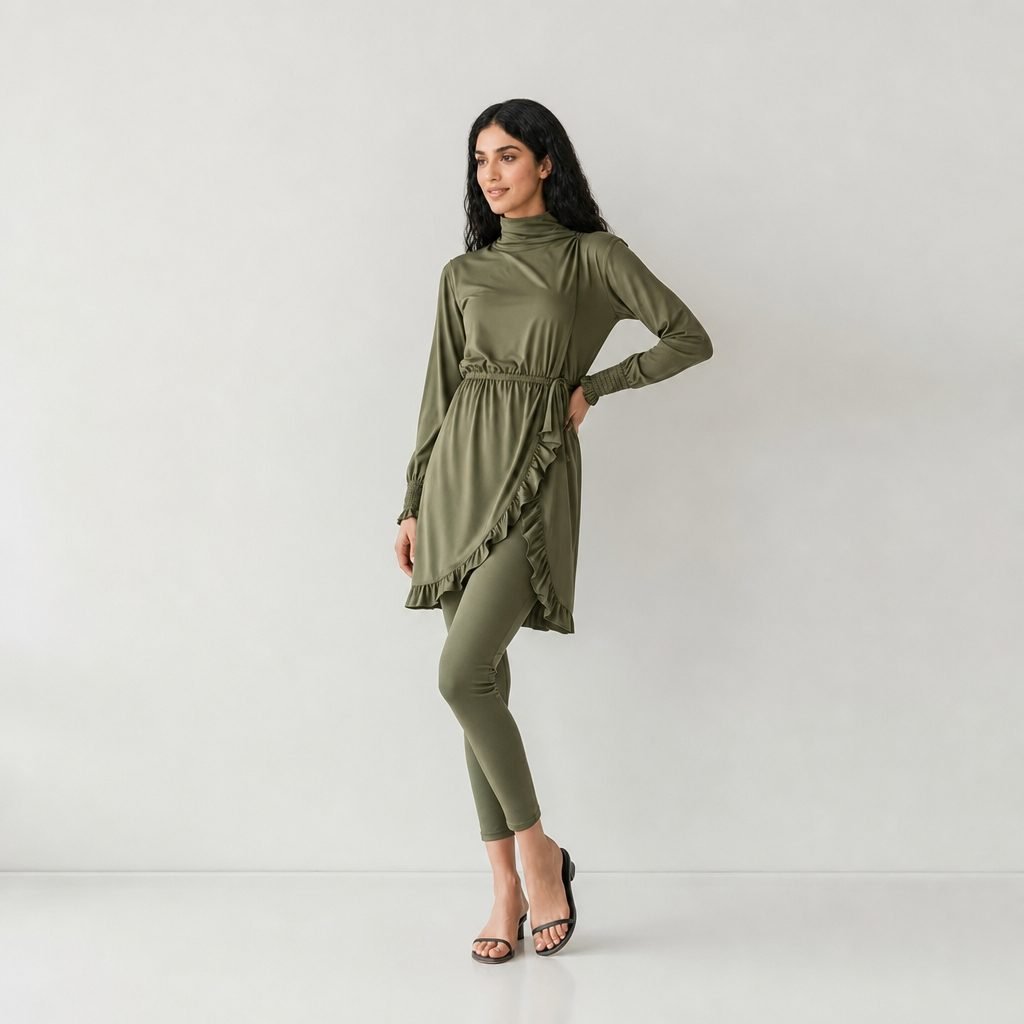
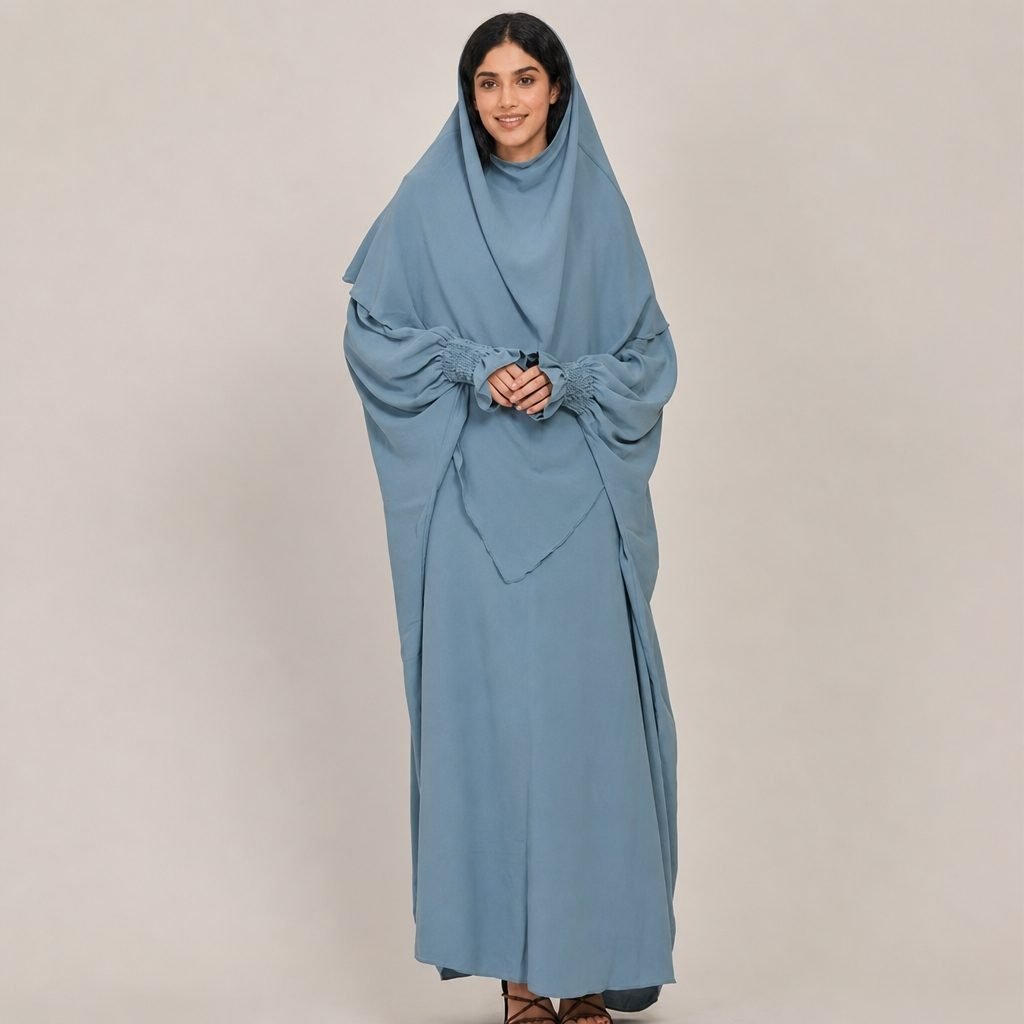
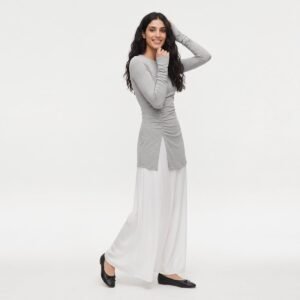
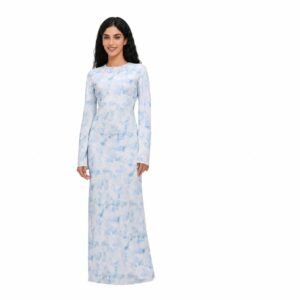
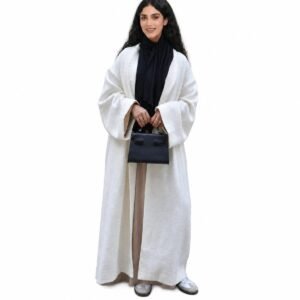
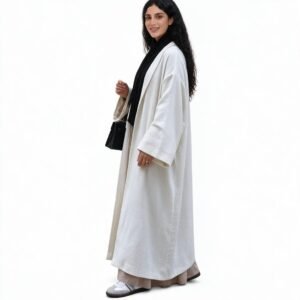
Where the buyers are. Roughly five demand clusters matter to a manufacturer, and they order very differently from one another. The GCC — Saudi Arabia, UAE, Kuwait, Qatar, Bahrain, Oman — is the highest-average-order-value region and buys in depth: a single Riyadh or Jeddah wholesaler will take 1,000–5,000 pieces per style on repeat, but expects Gulf length grading, strictly opaque fabrics, and near-zero shade variation between reorders. Southeast Asia — Malaysia, Indonesia, Singapore, Brunei — is the largest unit-volume region, price-sensitive, fast-moving, and heavily influenced by local modest-wear labels that push new silhouettes every few weeks. Europe — the UK first, then France, Germany, the Netherlands and Scandinavia — buys fewer pieces per style but at higher retail prices, with a strong bias toward open abayas, co-ords and modest daywear that reads as contemporary fashion rather than religious dress. North America is the fastest-growing cluster by percentage, dominated by online-first brands running small, frequent drops and leaning hard on private label and photography-ready finishing. Australia and New Zealand is a small but consistent market with a distinct summer-weighted calendar and real demand for burkini and modest swim.
Why now is the entry window. Three things have changed in the last few years, and all three favour a new brand entering today. First, manufacturing access has caught up with demand: modest-specific production used to mean either a Gulf atelier with poor scalability or a general factory with no feel for the construction. That middle layer — factories that understand coverage, opacity, swim knit performance and Gulf sizing — is now mature, and minimums have fallen to levels a first collection can carry. Second, the retail channel has fragmented: modest fashion is no longer a single aisle in a department store. It is thousands of independent online brands, most under ten people, each running 2–4 drops a year. Those brands need a factory that can produce a 50–200 piece style at a fair price and hit a hard calendar date — not a factory that wants a 5,000-piece container order. Third, the calendar has become predictable and permanent: Ramadan and Eid now drive two clear, date-fixed peaks every year with a documented 6–8 week sourcing lead-in, and the modest swim season overlays a third peak in Q2 for Northern Hemisphere markets. A brand that plans around those three peaks can build a real business on a small number of well-executed styles.
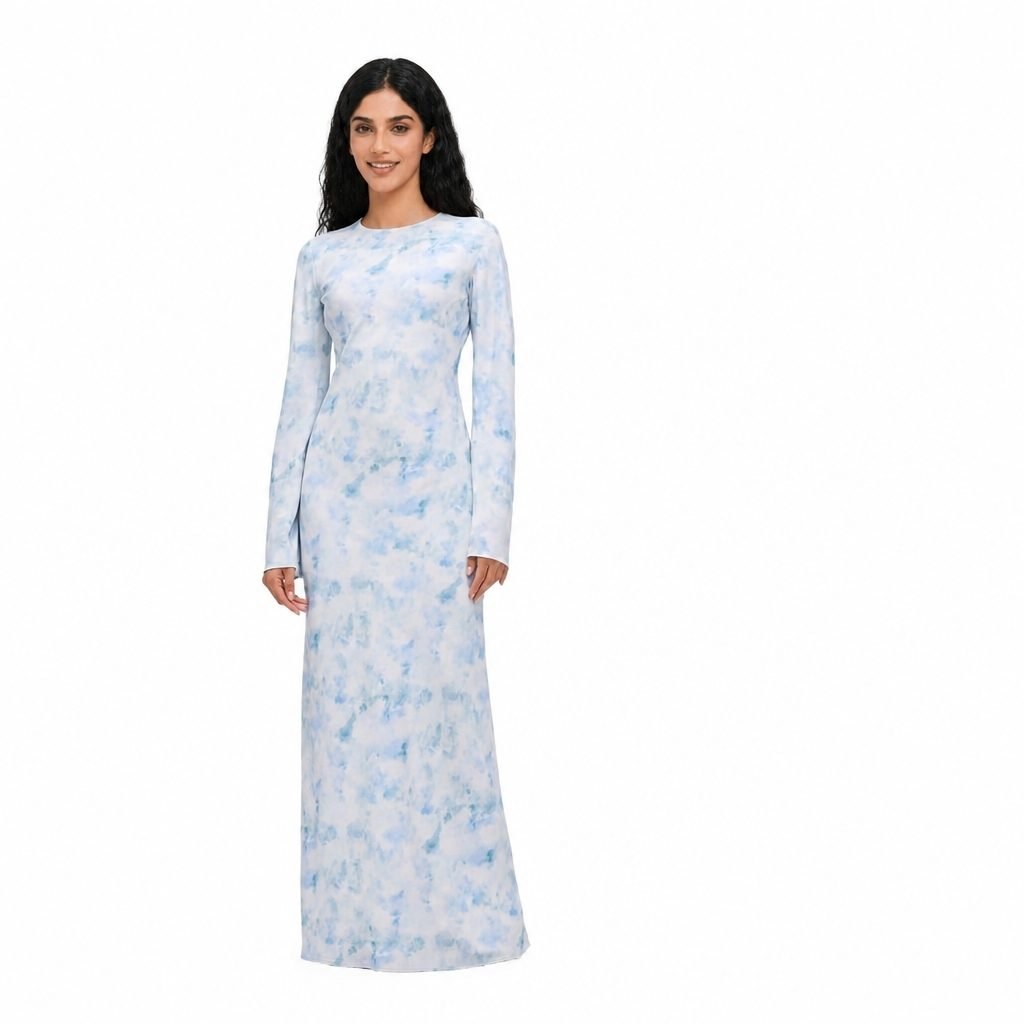
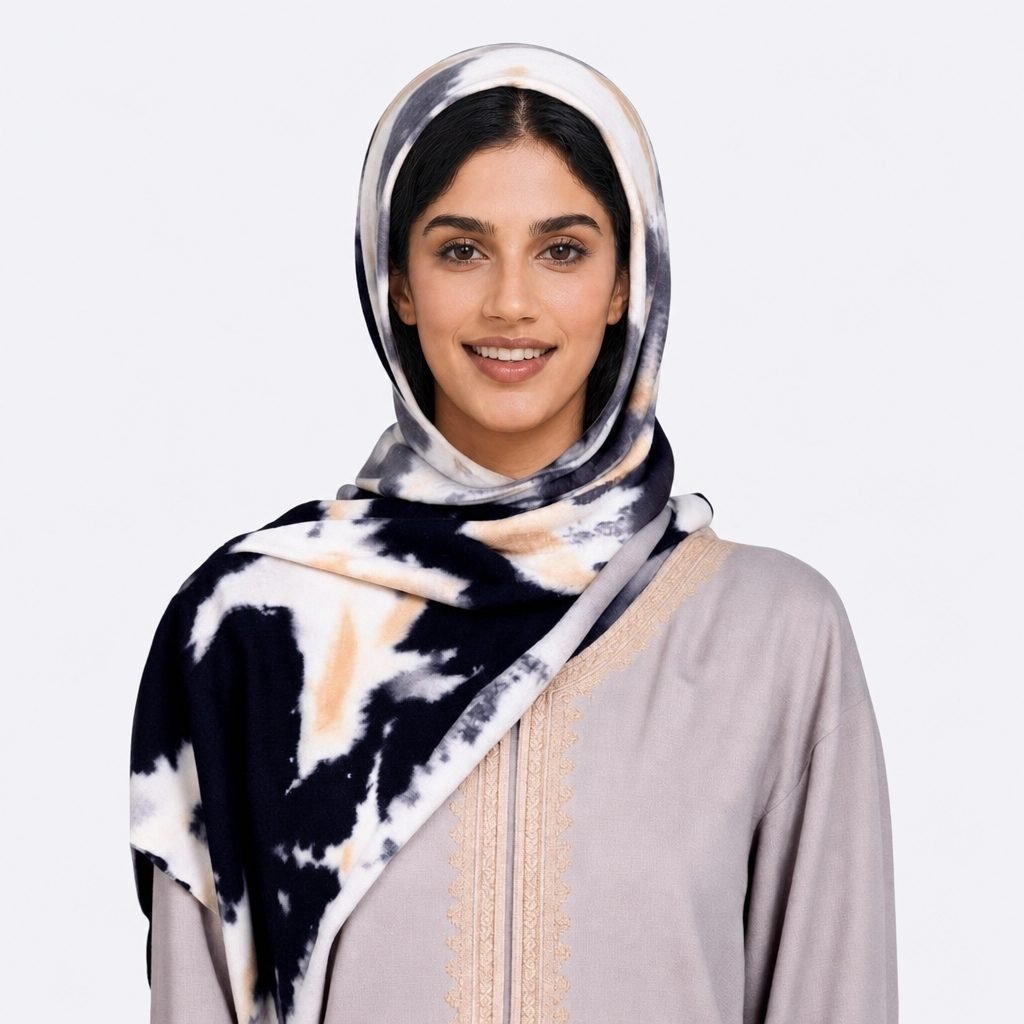
The structural gap you can exploit. The modest market’s most persistent weakness is not design — it is product consistency. Because modest garments are mostly a single continuous surface with little detail to distract the eye, defects that would be invisible on a printed mainstream garment are obvious here: a shade difference between two panels, a hem that hangs unevenly, a fabric that turns translucent in sunlight, a reorder that arrives a half-tone darker than the first run. Search any modest wear review channel and the complaints cluster in exactly those places. That is the gap a brand can take with a factory that measures opacity, strikes a physical shade band, checks hems on a mannequin and archives your approved sample. It is also the reason we organise this page around materials, sizing and QC rather than around marketing language.
| Buyer region | Typical order depth | Price positioning | What they care about most | Peak season |
|---|---|---|---|---|
| GCC / Gulf | 1,000–5,000 pcs per style, repeat quarterly | Mid to premium | Opacity, shade consistency, Gulf length grading | Ramadan & Eid, back to school |
| Southeast Asia | 300–1,500 pcs per style, fast repeat | Entry to mid | Unit cost, breathable fabric, quick reorder | Ramadan, Hari Raya, year-round basics |
| UK & Europe | 100–500 pcs per style, 2–4 drops per year | Mid to premium | Fashion-forward cut, finish quality, retail-ready labels | Ramadan, spring drop |
| North America | 50–300 pcs per style, frequent small drops | Mid to premium | Low MOQ, private label, photo-ready finishing | Ramadan, holiday gifting |
| Australia & NZ | 100–400 pcs per style, summer-weighted | Mid | Modest swim, sun protection, UPF rating | Nov–Feb, Ramadan |